
Resources for Mentoring Programs
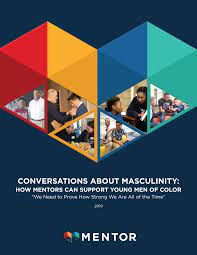

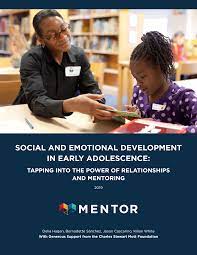
American Rescue Plan Resources
- Here’s a Virginia Department of Education Contact List by county for who to contact regarding ARP funding.
- Fund Our Schools has created an advocacy guide for the funds that localities across VA will receive through the ARP.
- Afterschool Alliance has published numerous resources and tools to help programs access funds from the ARP.
- VPOST has shared a helpful template letter that programs can use to reach out to education officials, and has additional resources on their website.
Starting a New Mentoring Program
Launching and sustaining an impactful youth mentoring program requires building a strong foundation. To do this, programs will need to build an advisory committee, conduct a needs assessment, determine mission and vision, create a logic model and budget, develop policies and procedures, build community partnerships and awareness, and create a staffing model.
- Introduction to Starting a Youth Mentoring Program
- Program Planning & Design for Starting a Youth Mentoring Program
Additional Resources & Tools:
Best Practices for Mentoring Specific Youth Populations
Population Reviews from the National Mentoring Resource Center:
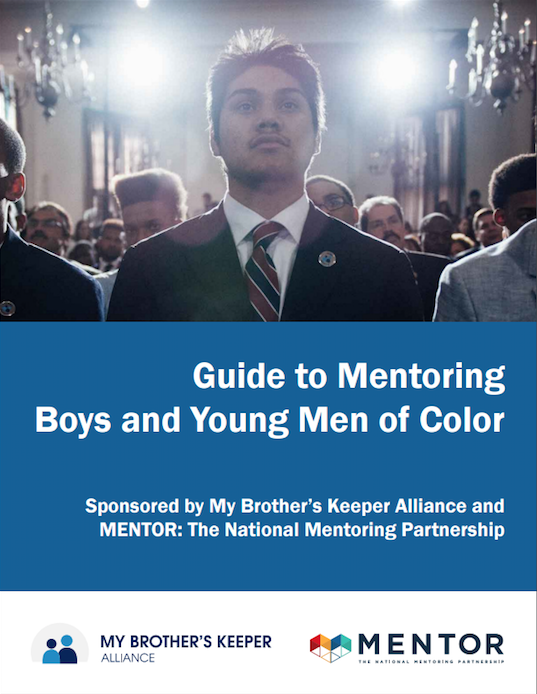
- Mentoring Black Male Youth
- Mentoring Children of Incarcerated Parents
- Mentoring Immigrant & Refugee Youth
- Mentoring LGBTQ & Gender Nonconforming Youth
- Mentoring Youth During Reentry from Confinement
- Mentoring Youth in Foster Care
- Mentoring Youth After Involvement in Commercial Sex Activity
- Mentoring Youth with Disabilities
- Mentoring Youth with Mental Health Challenges
- Mentoring Youth Impacted by Opioid Use & Misuse
- Mentoring and Domestic Radicalization
- Mentoring American Indian and Alaskan Native Youth
Not seeing a resource you need for mentoring a specific population of youth? Email pr@archive.mentorva.org to request a resource.
Recruiting Mentors and Mentees
Whether you’re building a brand new mentoring program or have been operating for years, it can become challenging to recruit enough mentors to meet the need in your community, or to recruit mentors who are a great fit with your program’s goals and values. Use the resources below as a starting point for developing or enhancing your program’s plans for meeting your mentor recruitment goals.
Additional Resources & Tools:
Screening Mentors and Mentees
Every mentor and mentee who participate in a mentoring program will need to be screened based on established criteria. Mentors will need to be screened for safety, and mentors and mentees will both need to be screened for commitment and to ensure a good fit for the program. Use the resources below as a starting point for developing or enhancing your program’s plans for screening mentors and mentees.
Additional Resources & Tools:
Training Mentors and Mentees
Training mentors, mentees, and parents/guardians ensures they have the basic knowledge, attitudes, and skills needed to build and support an effective mentoring relationship. Training is also an opportunity to learn more about each participant before a program officially accepts them into the program. Mentor training should last at least two hours, be offered as an in-person experience whenever possible, and occur prior to matching mentors and mentees. Use the resources below as a starting point for developing or enhancing your program’s training. MENTOR Virginia also offers New Mentor Training sessions throughout the year.
Additional Resources & Tools:
Matching Mentors and Mentees
To increase the odds that a mentoring relationship will endure and be effective, it needs a strong foundation. This begins with a good match, which stems from a high-quality matching process that includes program-specific criteria and takes into account the characteristics of each mentor and mentee. Once the match is made, each participant is given background information about his or her new friend. Then, with the help of the program, the pair officially meets for the first time. Use the resources below as a starting point for developing or enhancing your program’s matching process.
Additional Resources & Tools:
Monitoring and Supporting Matches
Providing ongoing monitoring and support to youth and adults is often the most critical—yet overlooked—aspect of managing a high-quality youth mentoring program. Ongoing support involves monthly communication with all parties (mentors, mentees, and mentees’ families) to support the relationship-development process. To effectively support matches, staff members must be trained to develop cultural competency and supportive communication skills so they can navigate across cultures and contexts. Use the resources below as a starting point for developing or enhancing your program’s monitoring process.
Additional Resources & Tools:
Closure for Matches
Closure, the process of transitioning or ending relationships, is a natural part of the mentoring life cycle. Unfortunately, although mentoring relationships are often initiated with care, many do not receive the support they need to endure common pitfalls and do not transition in ways that affirm participants. From an ethical standpoint, we know careful management of mentoring relationship closures is critical to ensuring positive outcomes for youth. Use the resources below as a starting point for developing or enhancing your program’s closure process.
Additional Resources & Tools:
Mentoring Program Evaluation
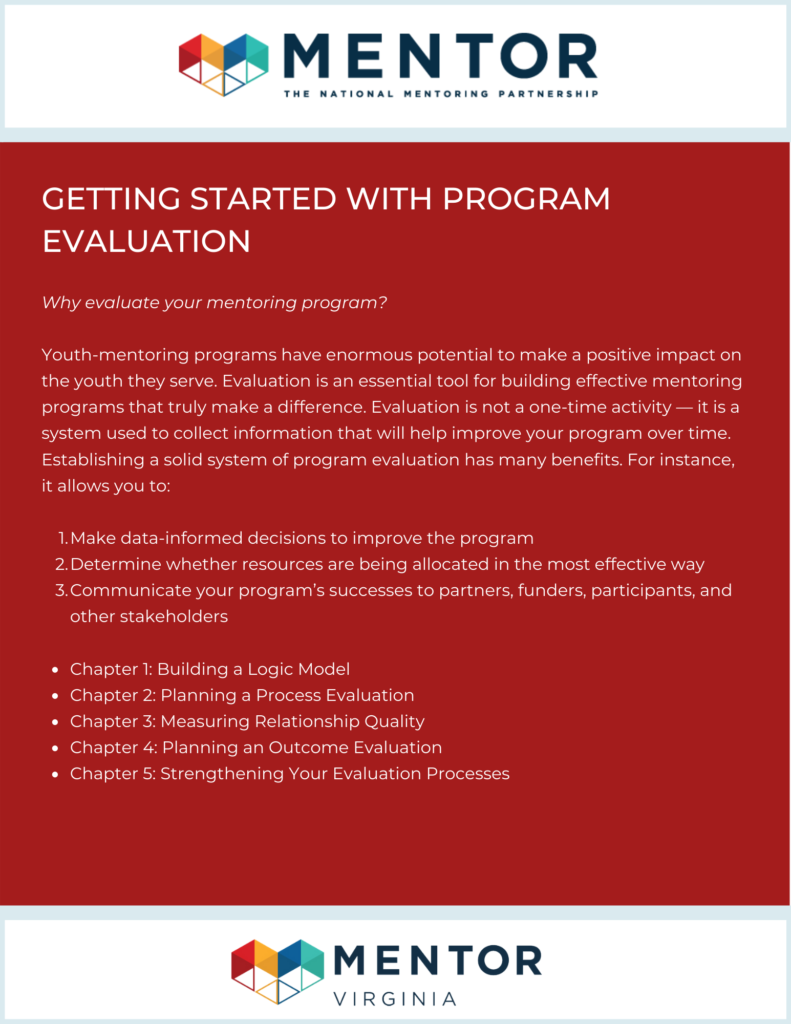
Evaluation is an essential tool for building effective mentoring programs that truly make a difference. Evaluation is not a one-time activity—it is a system used to collect information that will help improve your program over time. Establishing a solid system of program evaluation has many benefits. For instance, it allows you to:
- Make data-informed decisions to improve the program
- Determine whether resources are being allocated in the most effective way
- Communicate your program’s successes to partners, funders, participants, and other stakeholders
How MENTOR Virginia Can Help
MENTOR Virginia is here to partner with youth mentoring programs to strengthen youth outcomes and community impact. How can we help your program right now?
Services & Supports:
- In need of training for mentors and/or program staff? Register for upcoming trainings on our events page, or explore our catalog of trainings.
- Looking for support enhancing or growing your mentoring program? Check out our technical assistance program.
- Hoping to connect with other mentoring program staff? Register for an upcoming Community Coffee Hour.
- Could your program benefit from the help of a full-time AmeriCorps VISTA volunteer to build capacity for your program? Consider becoming a host site.
- Ready to take your program to the next level of continuous quality improvement? Learn more about the National Quality Mentoring System.
- Need to recruit mentors? Register your program for the Mentoring Connector.
 Pamela Johnson
 Emma Rush
 Tamice Spencer-Helms
 James Harris
 Patryk Czescik
 Nishaun Battle
 Sindy Montalvo
 Kinshasa Samuel
 Tashara S. Void
 Virginia Patterson
 Tiara Whitfield
 Alexandra Clayton
 Cailey Cummins
 Andrea Wiegard
 Arya Pazhwak
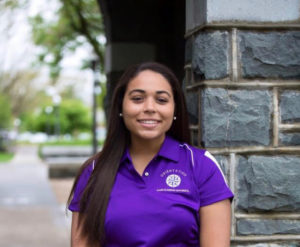 Briana Oyler
 Antonio Mielak
 Jessica Fittro
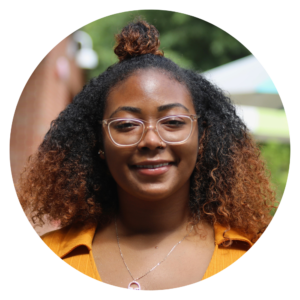 Yvonnia Bryant
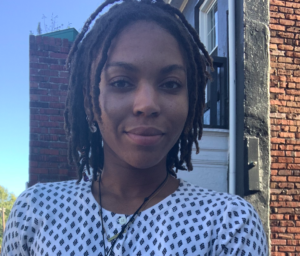 Ayannah Bowman-Williams
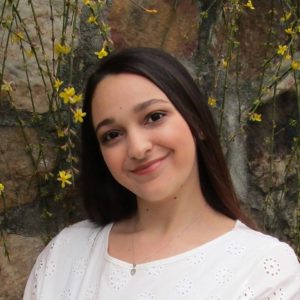 Alexa Augone
 Stephanie Hunter
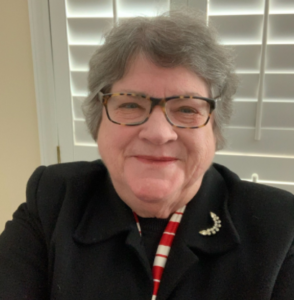 Allyson Roberts
 Bianca Myrick
 John Harris
 Laura Leporati
 Tammie Mobley
 Ashley Williams
 Abbie Wolf
 Melody Lutz
 Emily Bolinger
 Jessica Hand
 Blake Mogel
 Lynsey Meissner
 Tiffany Patton
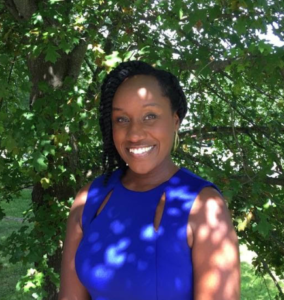 Rameka Blakey
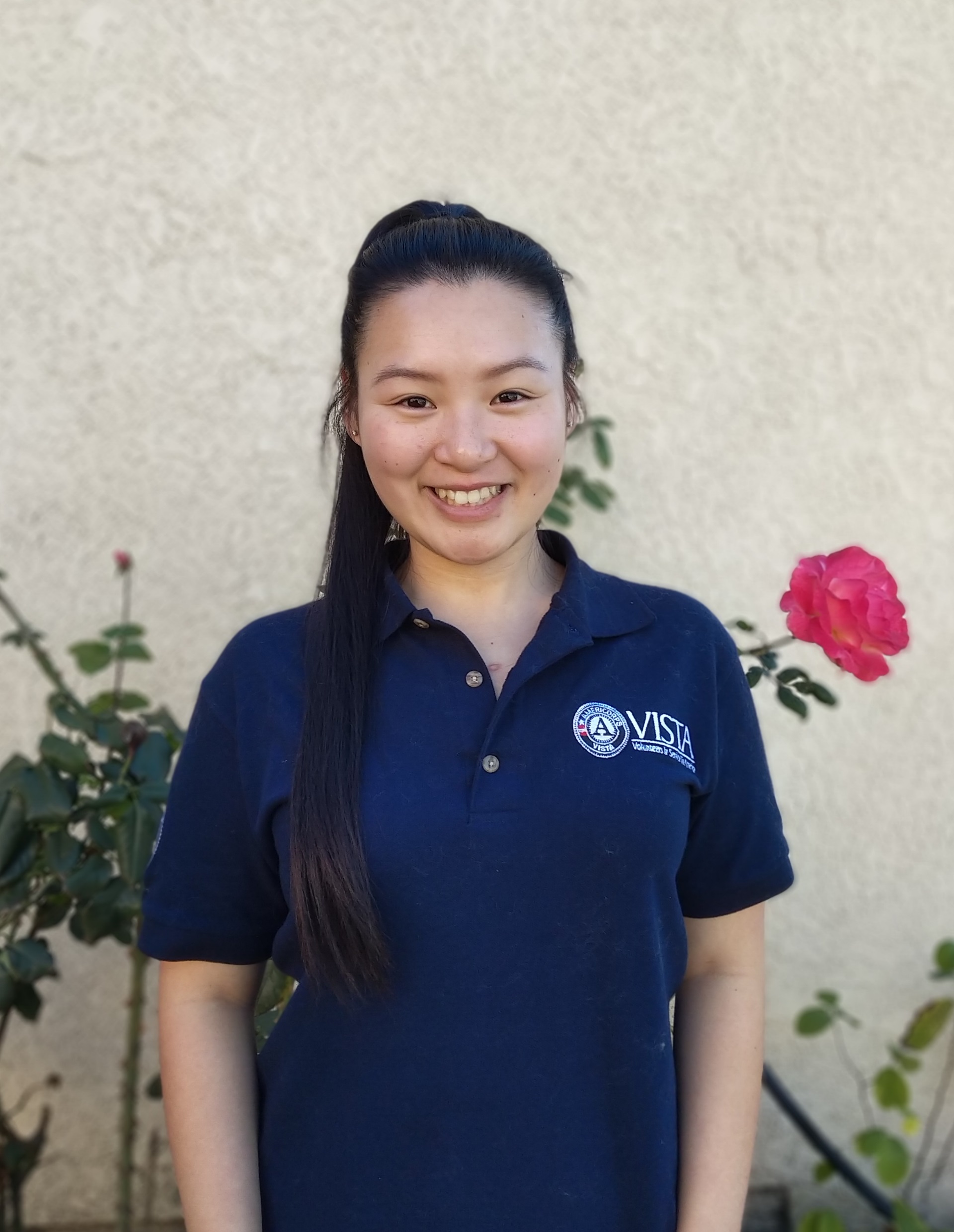 Katelyn Chau
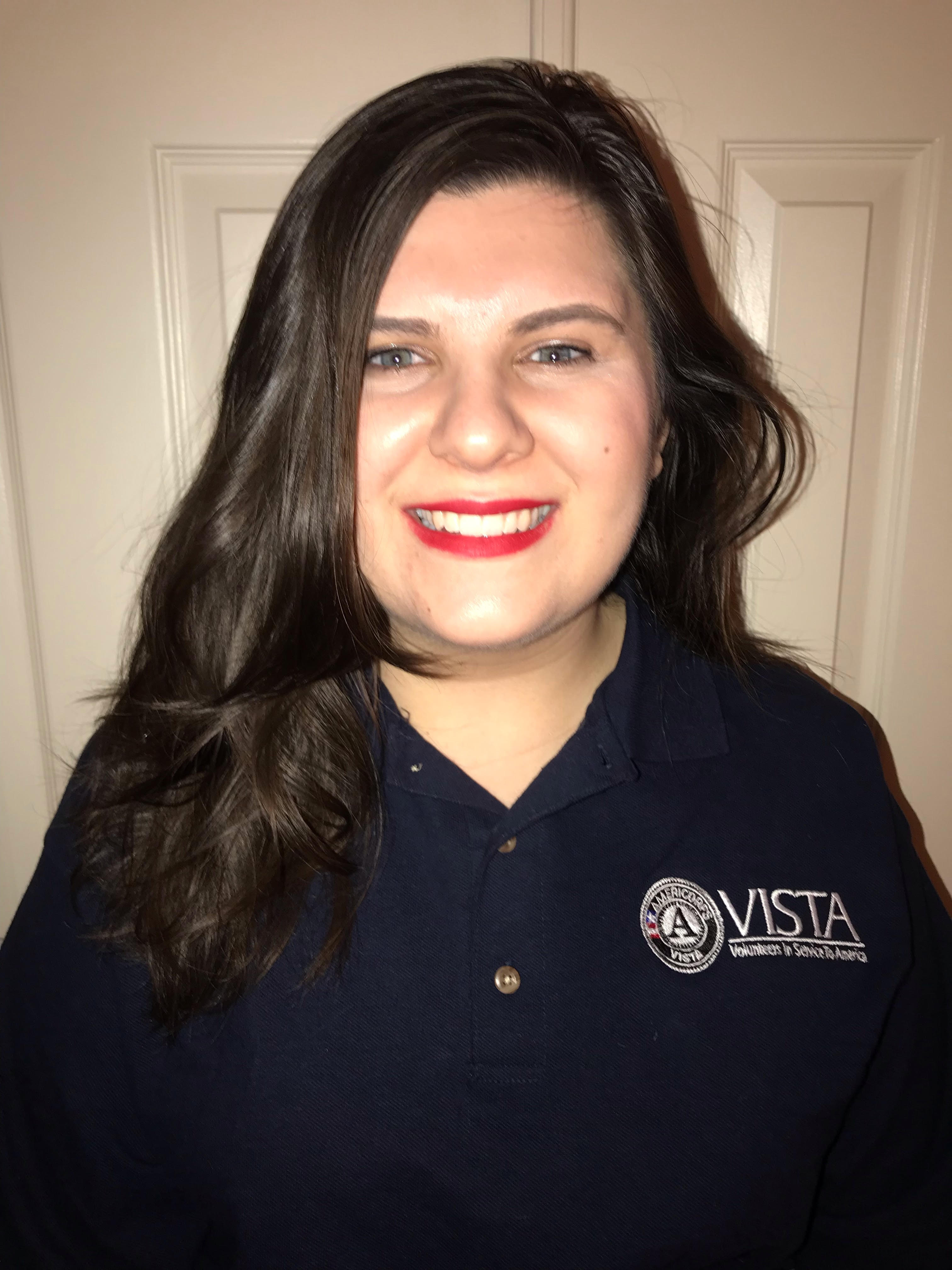 Hope Davis