
Be a Mentoring Advocate
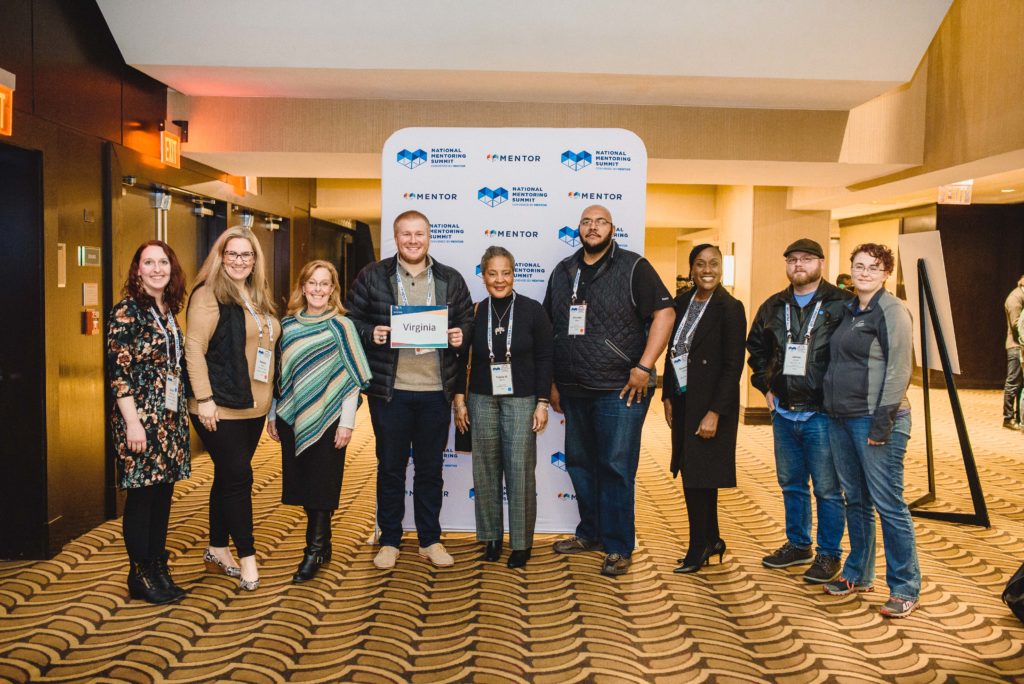 1 in 3 young people in the U.S. will grow up without a mentor of any kind. Help us close this gap—be a #MentoringAdvocate! Raise your voice, share your knowledge, and affect positive change through engagement with Congress and other influencers in your communities.
MENTOR Virginia serves as the statewide leader for prioritizing issues of concern for the mentoring field and leading advocacy efforts such as Capitol Hill Day every January. MENTOR Virginia aims to mobilize mentoring programs across the state in federal and state advocacy for mentoring. You can help us in these efforts!
Mentoring Advocacy Resources:
Urge Congress to Support Mentoring Initiatives
Take action today by urging Congress to support MENTOR’s legislative priorities for youth mentoring. It takes less than 2 minutes to send a message! You can also sign up for advocacy alerts so you never miss an opportunity to take action.
Request a Meeting with Congress
Meeting with Members of Congress and their staff provides the opportunity to have a meaningful conversation about mentoring and why it is important. Meeting in their home town or state often allows for more time to talk.
Invite an Elected Official for a Site Visit
Site visits, such as inviting a Member of Congress and/or their staff to visit a mentoring program, can be an effective tool in showing the positive impact that mentoring has on youth and your community.
Capitol Hill Day
Every January during National Mentoring Month, mentoring program stakeholders and people who are passionate about youth mentoring meet in Washington D.C. for Capitol Hill Day. This important advocacy event allows Members of Congress and their staff to connect with mentors, advocates, professionals, and young people to talk about critical issues facing the nation’s youth and the legislation and policies they can implement to expand access to quality mentoring opportunities.
Interested in participating in the next Capitol Hill Day? Email admin@archive.mentorva.org to express interest and learn more.
Mentoring Advocacy Tools: Research & Talking Points for Various Youth Outcomes
Mentoring & Workforce Development
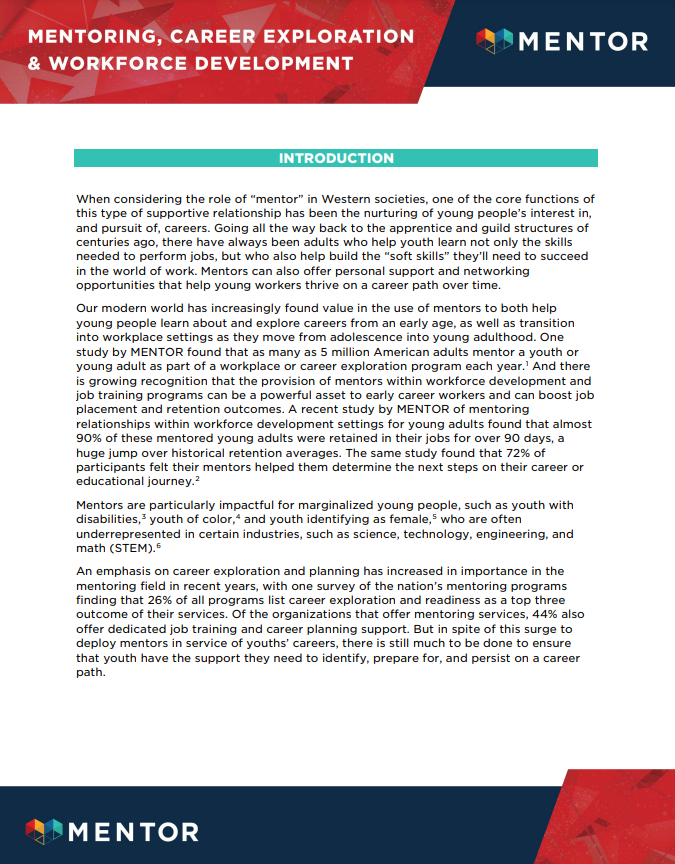
Mentoring & Youth Violence Prevention
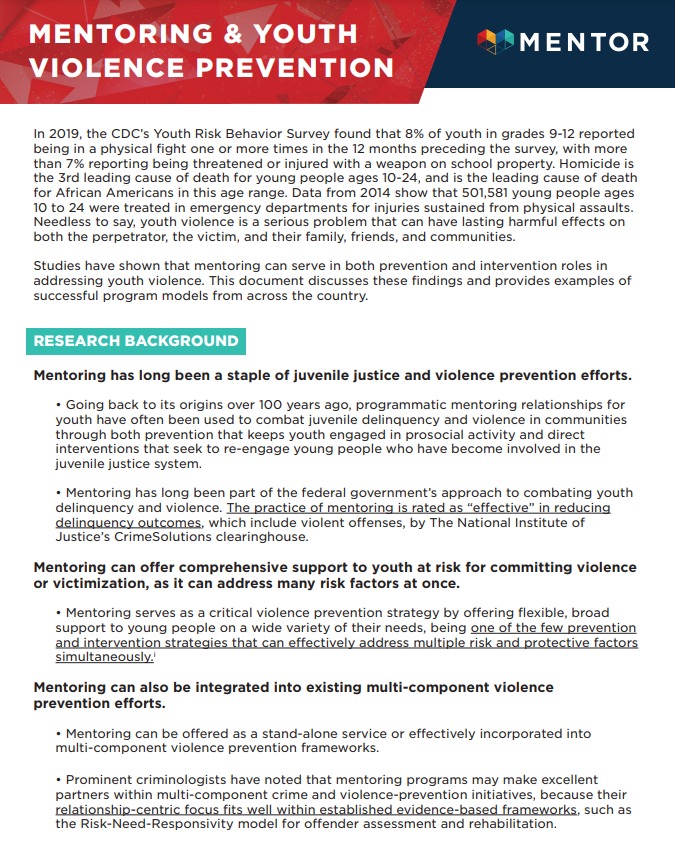
Mentoring & Mental Health
Mentoring & Education
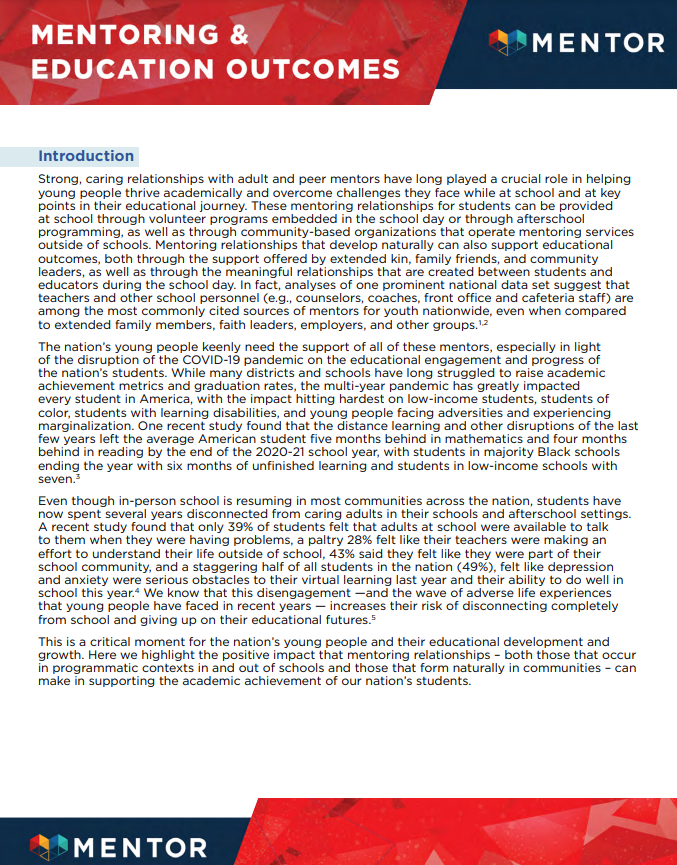
Mentoring & Foster Youth
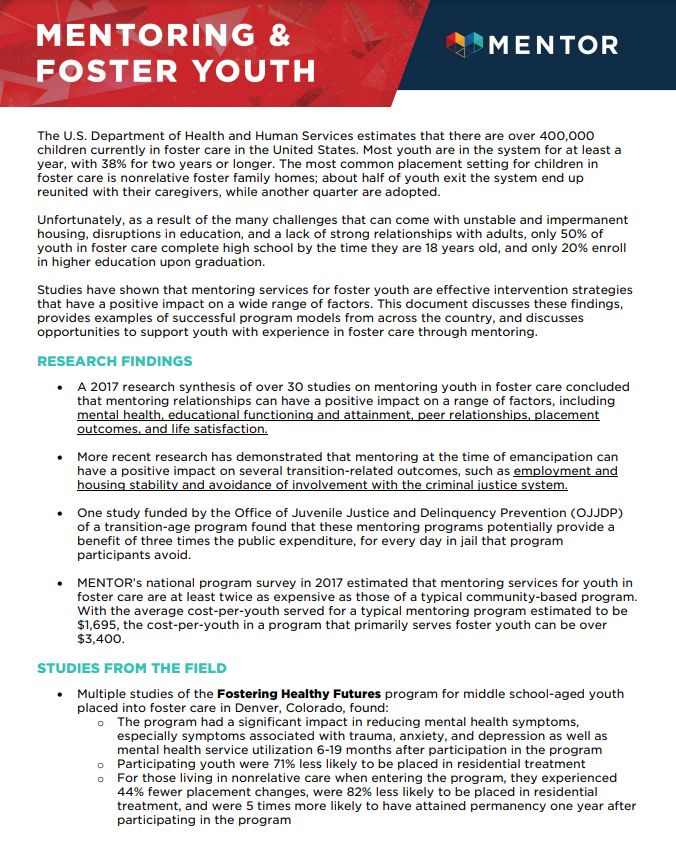
Mentoring Advocacy Tools: Legislation We’re Supporting
Foster Youth Mentoring Act
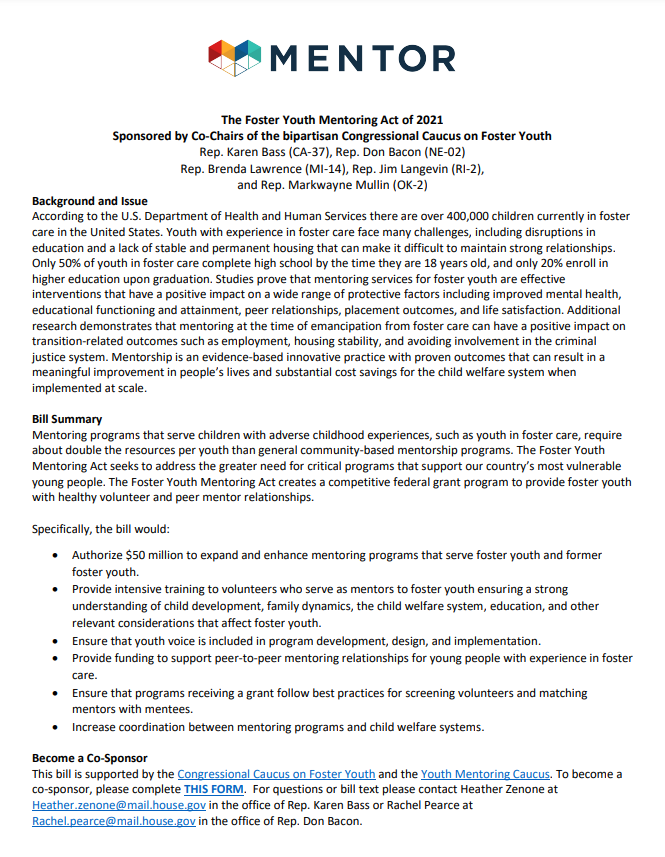
Mentoring to Succeed Act
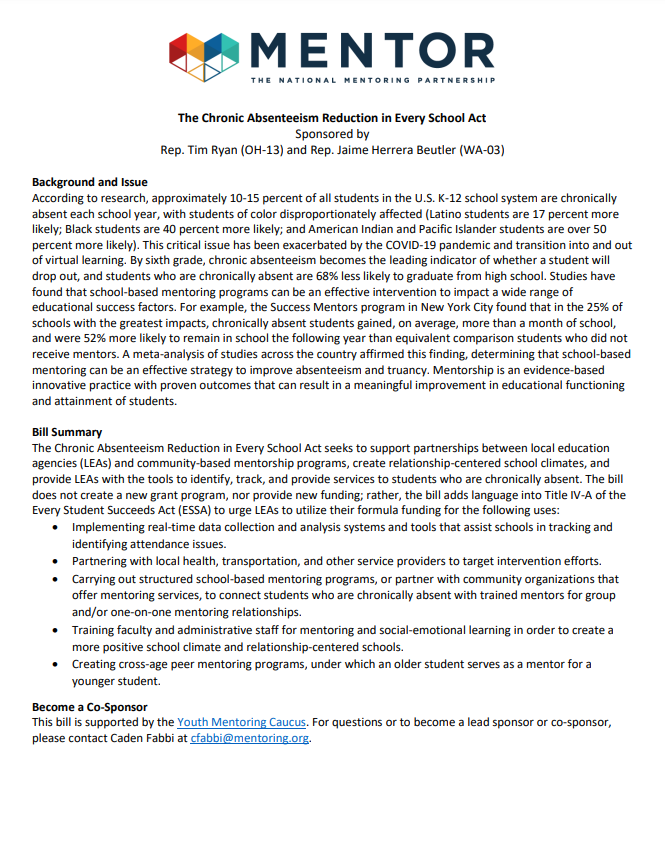
Chronic Absenteeism Reduction in Every School Act
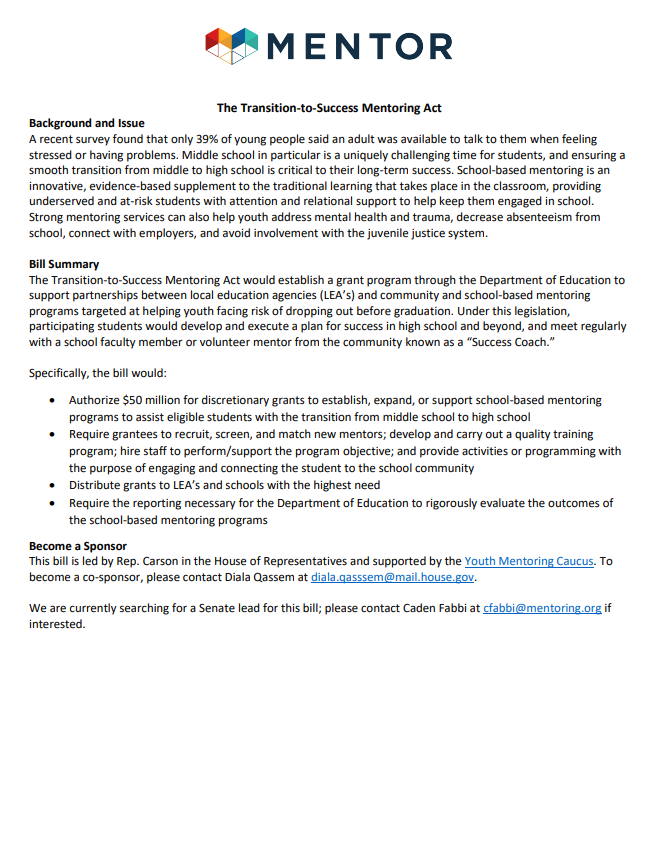
Transition to Success Mentoring Act
Additional Advocacy Initiatives
Mayors for Mentoring
From their unique position as community leaders, mayors can make a powerful impact in their cities. MENTOR and MENTOR Virginia want to showcase these elected leaders across the country who are elevating mentoring in their communities. Mayors are scaling quality mentoring initiatives, mobilizing their communities, and better equipping young people to succeed through improved school attendance and achievement, high school graduation, workforce readiness, and connection to their cities. Nominate your mayor to be a Mayor for Mentoring.
Youth Advocates for Mentoring
Through the Youth Advocates for Mentoring program, MENTOR trains 12 young leaders on advocacy, policy, and grassroots organizing skills in order to create positive change in their communities and nation. MENTOR believes that young people must be at the forefront of addressing systemic issues and that this comprehensive training program provides young people the real life skills they need to communicate with elected officials, address issues in their communities, empower their peers into action, and advocate for the power of mentoring. MENTOR is a non-partisan organization that seeks to fuel the quantity and quality of mentoring relationships for America’s young people and to close the mentoring gap.
Congressional Youth Mentoring Caucus
Founded in 2002, the bipartisan Congressional Youth Mentoring Caucus hosts briefings and events to share information about the important work and obstacles that youth mentoring programs across the nation face every day. Youth mentoring is an evidence-based intervention that enhances life outcomes for young people and mentors. Research has proven it to be a powerful strategy to reduce the number of youth disconnected from school and work, increase social and economic mobility, and create a more productive and prosperous nation. Unfortunately, however, one in three young people is currently growing up without a mentor in the United States at some point in their childhood, constituting a “mentoring gap” that demonstrates a need for collaborative investment in mentoring services.
Through information sharing, network building and action on legislation, the Congressional Youth Mentoring Caucus hopes to close the ‘mentoring gap’ and build sustained congressional support for the national mentoring movement.
Debunking Myths About Advocating for Mentoring
Mentoring organizations CAN lobby for bills and policies that affect them. Lobbying on behalf of your organization will allow your voice and personal experience with mentoring to inform the decisions of your legislators.
Under the 501(h) rules, nonprofits can lobby, but the amount of money you can dedicate towards lobbying varies depending on your organization’s budget. According to 501(h) rules, you can calculate the overall lobbying limit of your organization as follows: you can spend 20% of the first $500,000 of your budget on lobbying. You can spend 15% of the next $500,000, 10% of the next $500,000, and 5% of the remaining. Of the total amount that you spend on lobbying, only 25% can go toward grassroots lobbying.
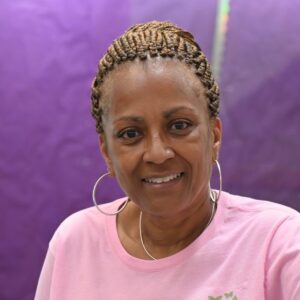 Pamela Johnson
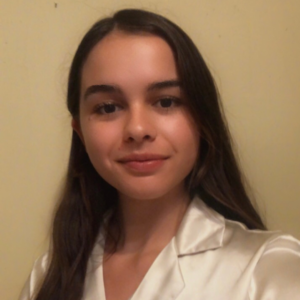 Emma Rush
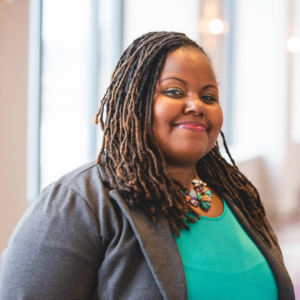 Tamice Spencer-Helms
 James Harris
 Patryk Czescik
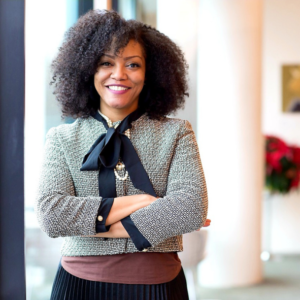 Nishaun Battle
 Sindy Montalvo
 Kinshasa Samuel
 Tashara S. Void
 Virginia Patterson
 Tiara Whitfield
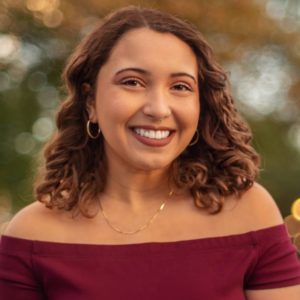 Alexandra Clayton
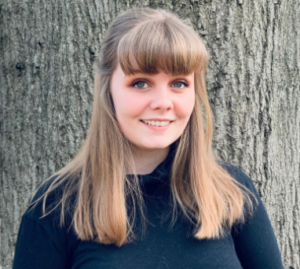 Cailey Cummins
 Andrea Wiegard
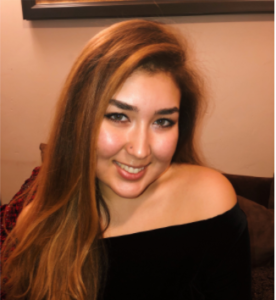 Arya Pazhwak
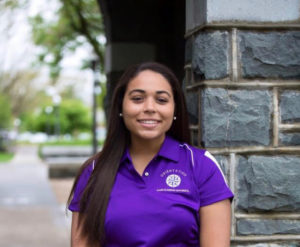 Briana Oyler
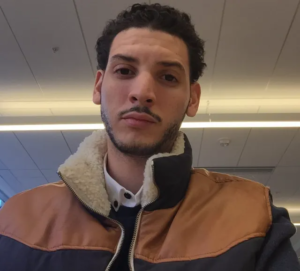 Antonio Mielak
 Jessica Fittro
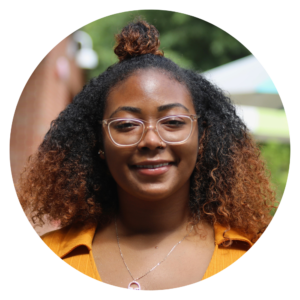 Yvonnia Bryant
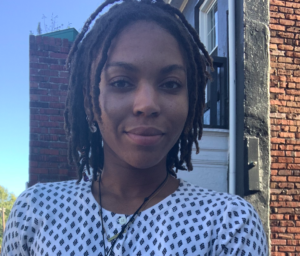 Ayannah Bowman-Williams
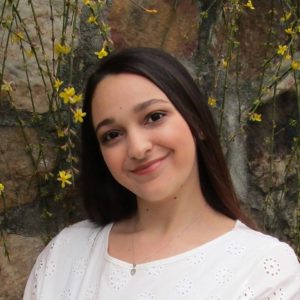 Alexa Augone
 Stephanie Hunter
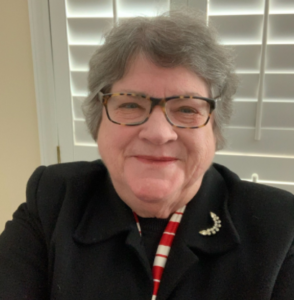 Allyson Roberts
 Bianca Myrick
 John Harris
 Laura Leporati
 Tammie Mobley
 Ashley Williams
 Abbie Wolf
 Melody Lutz
 Emily Bolinger
 Jessica Hand
 Blake Mogel
 Lynsey Meissner
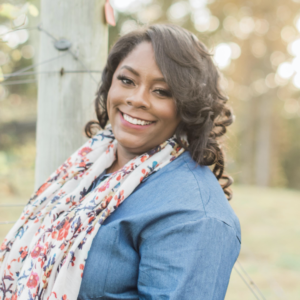 Tiffany Patton
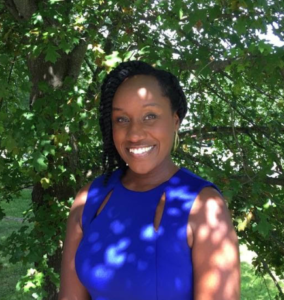 Rameka Blakey
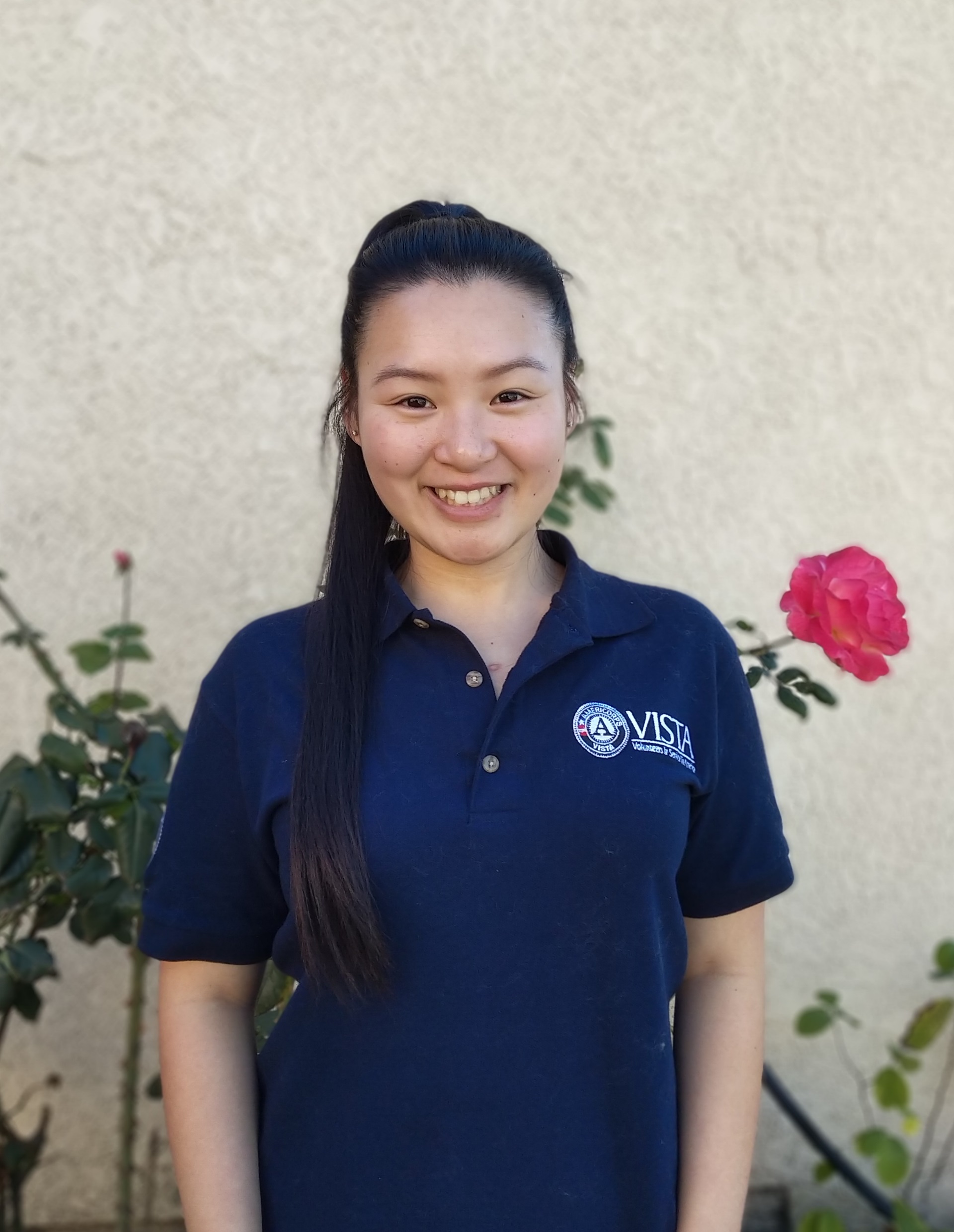 Katelyn Chau
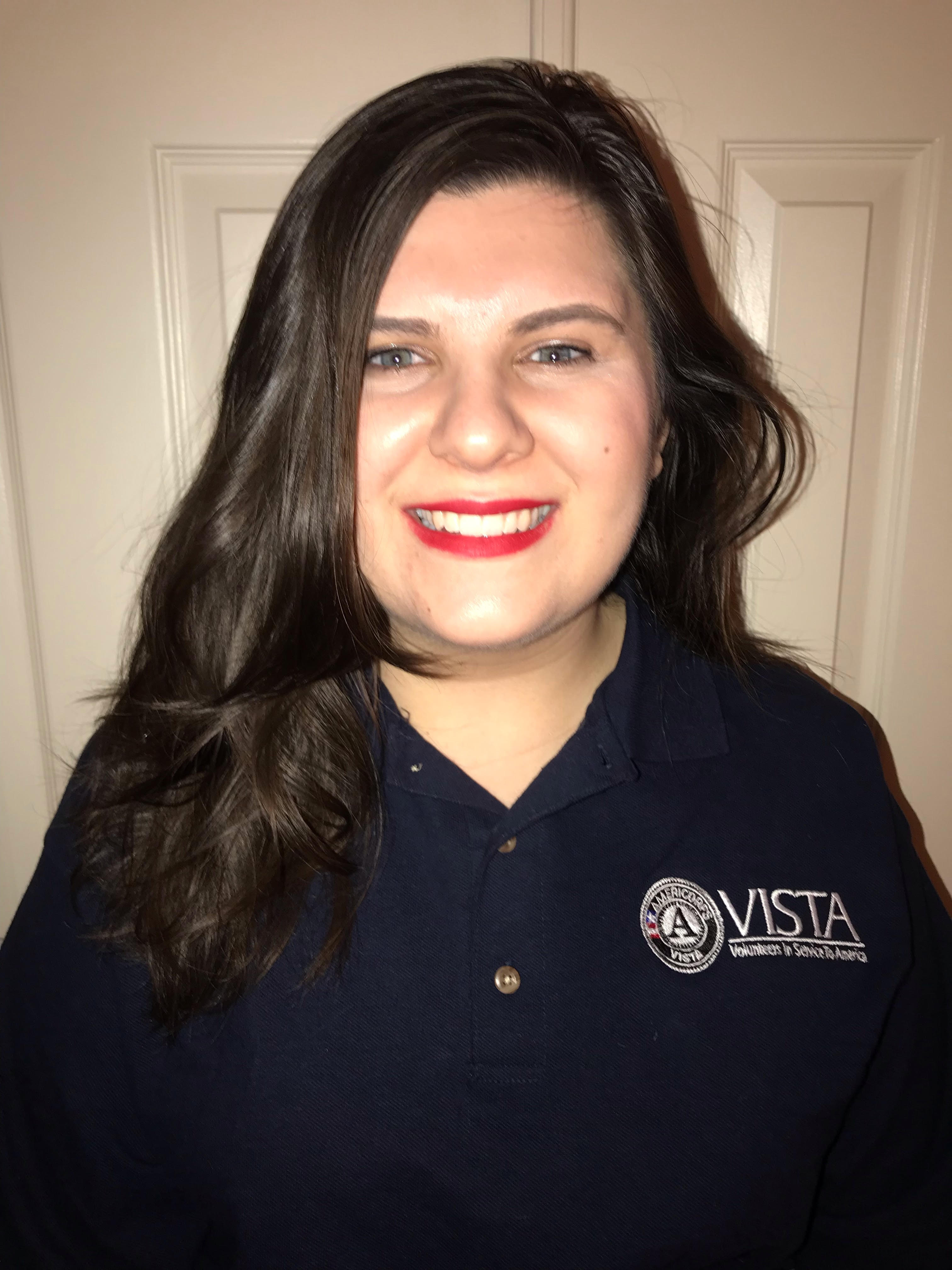 Hope Davis