
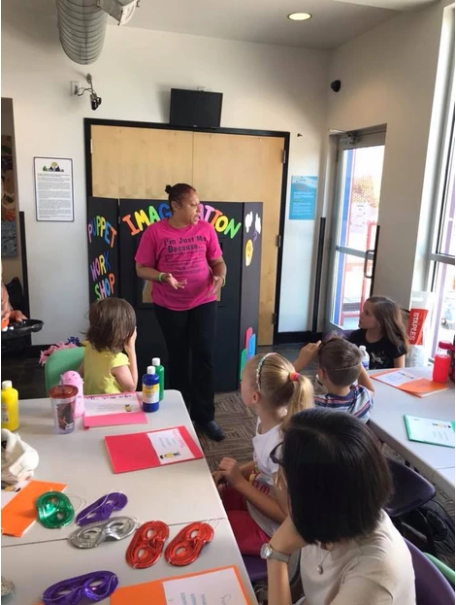
Tina Stevens-Culbreath and Rodney Culbreath are the founders of I’m Just Me Movement (IJMM). IJMM is a non-profit located in Winchester, Virginia with four foundational elements that inform its mission: Self Acceptance, Positive Peer Pressure, Breaking Through Roadblocks and Overcoming Obstacles, and Youth Wellness & Mental Health.
Why did you start the I’m Just Me Movement?
Tina: We started the I’m Just Me Movement back in 2013. A small backstory to that, we had a son that had a special learning plan. He was bullied when he was younger, about six years old. As he got older he learned to use coping skills of, “Okay, only three words at a time.” He was always very conscious about how he showed up around other people. Long story short, my husband and I adopted a sibling group of children and we moved out of the area. Which was great for our son because then nobody knew his secret and he was okay with that. When he got into high school, he was on the basketball team and he leaned onto his fellow teammates. They knew his secret and allowed him to slide back into the shadows.
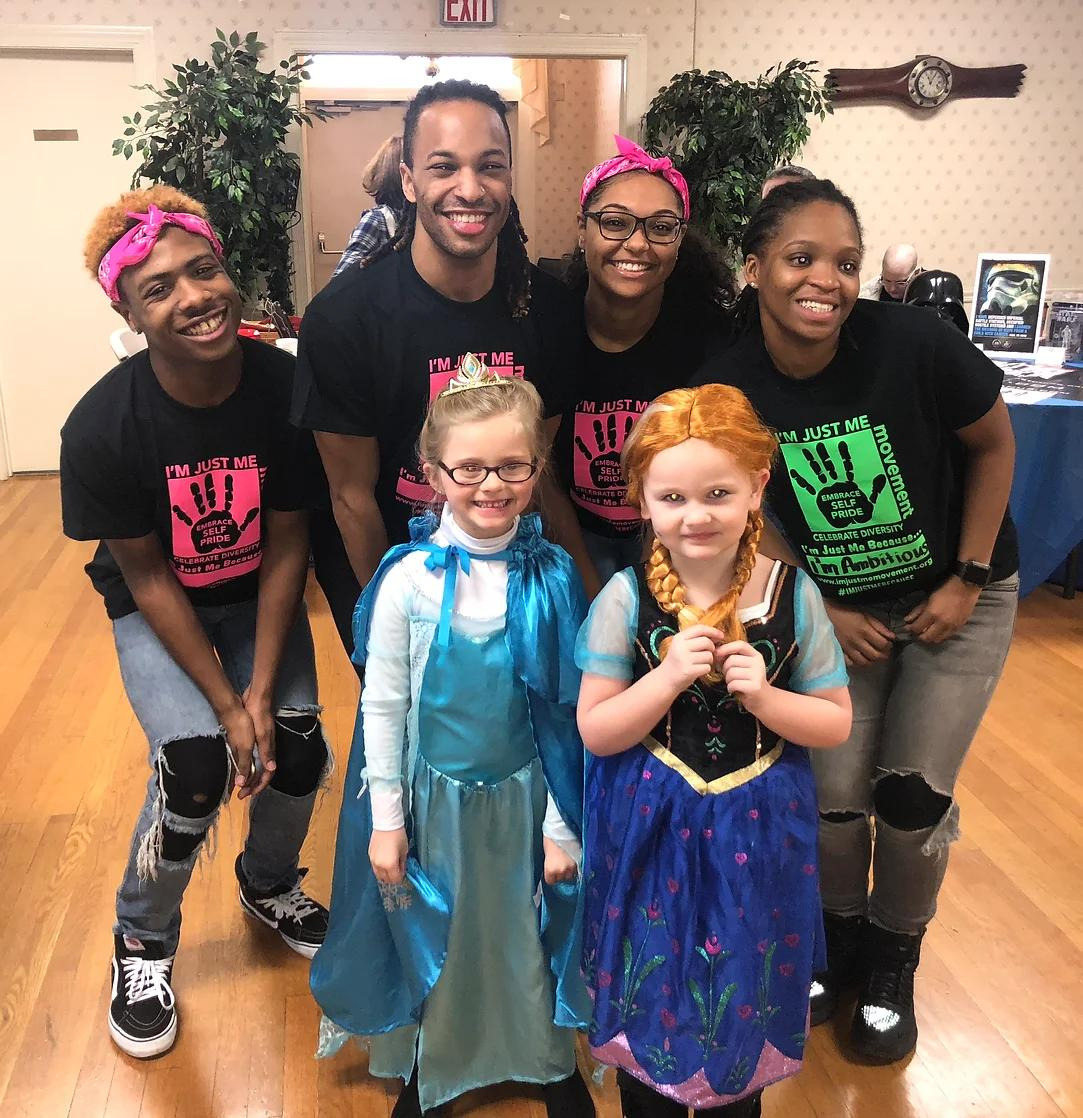
They would do the interviews for him and they kind of protected him in that way. So, when he decided he wanted to come out and tell his story, he didn’t want people to only think of him as a basketball player. There was so much more to him that people just didn’t know. He went on TV to share his story and at the end of the interview he said, “Now I can just be me.” And we thought, “Wow, how liberating, how freeing is that.” Other people, young people should feel confident with who they are however they appear in the world, whether they have a special learning plan, have struggles that they’re dealing with, or secrets that are tough for them to share. With that being said, we started going into schools to talk about bullying. At those presentations we would come across young kids that would say, “I don’t care about bullying, nobody cares about me and the things that I’m dealing with.” We were really able to share our stories of growing up in hard times and how we made it through. So we created a mentorship program, we became a nonprofit and the rest is history.
Rodney: As far as becoming a mentoring program, we wanted to create dialogue within the school between the kids. I think that’s how you create kindness, empathy, and compassion–when you can talk to each other. We find a lot of people doing the bullying realized that other kids were going through similar things that they are going through, and that’s why sometimes they had those behaviors. It was good to see that communication with the young people because we did it in October, Anti-Bullying month. “Anti” you’re against something, but if we could come in there and not just be against bullying itself, but create dialogue that was the difference we wanted to make. Hopefully, that would open the door to create a mentoring program that would eventually open those young kids’ minds to talk about those issues, traumas, and problems that were bothering them. They could actually go to somebody.
Tina: Especially to reach the best version of who they are. Because we know that all people excel with support.
What kind of advocacy has your program taken part in that has impacted mentoring in your program/Winchester/Va and what are the issues you are looking to address in the future? 
Tina: Storytelling. Helping people advocate and tell their stories. There’s power in being able to share your lived experiences. There’s power in being able to share your reflection in how you view things. That’s a huge part of what we do now in advocating for people with special learning plans, people that feel like they don’t fit in, people that are struggling with some of the day to day challenges that are keeping them from reaching the best version of who they are. So I can say for me advocating for them to embrace their story, live their story, and tell their truth.
Rodney: Really finding a way we can reach people early. Whether that’s going into elementary or middle schools. Creating more of that identity, so that people can eventually find themselves and tell their story and communicate. Just having young people bring that communication. I feel like sometimes that communication has been lost due to COVID. A lot of kids do a lot of things on their phone, so how can we get back in touch with each other. I think that’s the biggest thing I want to see us accomplish in our community. Bringing those pieces together in seeing the help of our schools. Which is important because a lot of stuff starts there, like experiencing your first bullying or encountering your first let downs. If we can bring that to the school system and more advocating there so kids can find their story, identity, and themselves and teaching others that empathy and compassion
Tina: Also advocating for inclusion and diversity because not all people are alike. When we talk about diversity there is so much more that is encompassed in that, including our LGBT communities, neurodiversity (people who learn in a different way). I think that part of this human race is to be able to cultivate more kind and inclusive communities and advocating for that is how we reach that goal. So those are just a few ways that we are continuing to advocate for people to have their space, grace, and kindness.
IJMM is something that you have started as a family, how has that shaped your mentoring program?
Rodney: I think that it makes it so personal because you’re mentoring in your own home. It kind of starts there, too, being the role model that you are trying to form with each other and leading. Rze is more involved in this than any of the other children, but it gives us as a whole family ways to communicate. We are still going through any of the issues that any other family would go through. So when people talk about these different issues and what they are dealing with we know that on a personal level, because we are actually dealing with that with our own children and our own children are figuring these things out. I feel like as a family unit it is bringing a whole different element to everything, but it is also bringing authenticity as we talk to other people because we’ve been there and we’re still there at times. It just makes it so unique that we can sit down as a family and be like, “We’re trying to plan this thing out, how do you think other children are being affected by this?” And you’re having the same conversation that most families are having at their own tables.
Tina: I agree with that, especially as kids that grew up in trauma and things that were very difficult for us. There were things that we couldn’t do like telling our families or telling things about our families or our lives for fear that we could be separated from our families. So in that, Rodney was kind of a father-figure in his household and I was kind of the adult-figure in my household because my mom was dealing with some things. I lost my dad from a drug overdose when I was about 8 years old. My mom was working at the hospital and she started to drink to deal with some of these things. Rodney and I both learned early on that we have a lot of responsibility on our shoulders and kind of took that to say, “You know what how do we, when we have children, how do we avoid these things for them?” In being able to bring to the table our lived experiences, we have both been able to become certified family peer support specialists in the state of VA and are able to support those families because we were those children. We know our side of how we were impacted, how we had to support our families, their emotional states, and their substance use and active addiction. I think we bring something that is really, really special. We get to bring both sides of how we were impacted, but also how we could make it through. I think we’re real people with real stories and mentorship is important because we all need mentors. When you ask about the family aspect of it, the family dynamic is really important to ending some of those generational cycles. Starting off as a family we can bring those real experiences, trials, tribulations, and resiliency as well.
How are you currently partnering with MENTOR Virginia and what are you hoping to get out of your Technical Assistance experience?
Tina: We started off as a very small initiative and then evolved into a non-profit organization which takes on a lot of responsibilities, policies, and procedures. Early on we were smart enough to find the National Mentoring Partnership. And we thought “They have these resources, they’ve got a deck of information, they have policies and procedures.” So we did our research and got connected early on when we became a non-profit organization. Later we discovered MENTOR Virginia so I reached out to ask, “What are the tools that we can use? What can we do?”
We have been able to get those supports since 2015 when we became a non-profit. Just recently, I reached out because we’ve done a rebranding and felt it was beneficial to our organization now that we have made some strides and reached some milestones. We have become a managed care organization through Medicaid, and thought, “Okay, how can we revamp and renew the way that we do things? What is the new information that is out there that we can benefit from?” We are never the ones that are like we know all the answers. We seek out those innovative ways that people are doing things and appreciate the support we have gotten earlier on. I’m looking forward to the continuous educational pieces of it. Learning what we can do to strengthen our mentor program and the way that we do things.
Rodney: You can’t have anything great without great support and networking and partners. I think that is the foundation and we are continuing to build that foundation by partnering with Mentor Virginia. A lot of people don’t realize that we started small ,but we were utilizing these tools that you had on your page and whatever we needed. We knew that every day, every second things are evolving–kids are evolving, systems are evolving. You want to make sure you are keeping up with everything because you want to make sure that you are giving your best service and have the right tools. I think that is the key in any great network you can have, when you have that partnership come together and say we want to impact people.
Tina: You have to be honest. When you know better, you do better. We want to be the best that we can be and provide the best service that we can for our clients, for our community.
Do you have any final messages you would like to share?
Tina: I will let people know that the IJMM is the backbone organization for a trauma-informed community network. There are 26 trauma-informed community networks across the state of Virginia. Every one is unique in their own right, different mission statements, different visions. IMJJ is a non-profit backbone organization, and Triumph over Trauma is the network for Winchester area, Frederick County, Clarke County, and Warren County, and we recently discussed adding Page County. The goal is to create some common language around resiliency and trauma, and how we can reach those through the common language of these terms. Resiliency means something different to everyone. To me resiliency was gritty and grimy and ugly and very trying. I didn’t have the halos and stars. I had more of the grit and grime, but I made it through and resiliency looks different for everyone. I believe the more impactful we are towards getting to the common language and more trauma-informed communities, we help kids bounce back from tough times, and families too.
So, I just wanted to add that we are Triumph Over Trauma, and one of 26 trauma-informed community networks in Virginia. We have 27 cross-section collaborators as well and we thank Voices for Virginia’s Children which is one of our founding organizations, The United Way of the Shenandoah Valley, the Warren Coalition, Northwestern Community Services Board, and Greater Richmond SCAN as well.
Rodney: Just making sure that we are serving our community and that everyone is participating in something in reaching their purpose. I think that we are at that critical time now where we can reach the young people. Like Tina said earlier, we can change the trajectory of generational cycles and put people in good places. When we put people in good places great things happen in our communities. Especially for our young children when you have mentors out there who are spending their time with them. Giving up their knowledge, information, and time. I think that those things are paid back and you see those young people become those adults who will give back to the next generation.
Tina: Absolutely, and mentors are natural resources for our communities. I think that it is so important that we recognize their contributions. We all have our stories and can name a person in our life that has helped us reach some level of success. Mentorship has definitely changed my life and I love the role that IJMM has to continue giving back. We know that suicide is the second leading cause of death in young people. We want to do our part and be a part of the solution. We thank NMP and MVA for all they have done to help us improve things. I think that is all except for when we have a national holiday. It is called I’m Just Me Because. It really is all about embarrassing who you are and overcoming adversity.
Bring the I’m Just Me Movement to Your School!
Project Positive
If you are a part of a mentoring program that you would like to have featured in a future blog post by MENTOR Virginia, please contact Emma at pr@archive.mentorva.org.
 Pamela Johnson
 Emma Rush
 Tamice Spencer-Helms
 James Harris
 Patryk Czescik
 Nishaun Battle
 Sindy Montalvo
 Kinshasa Samuel
 Tashara S. Void
 Virginia Patterson
 Tiara Whitfield
 Alexandra Clayton
 Cailey Cummins
 Andrea Wiegard
 Arya Pazhwak
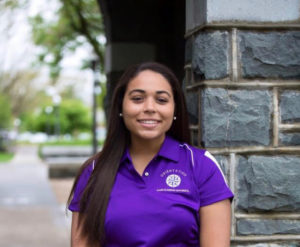 Briana Oyler
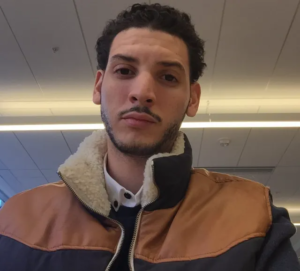 Antonio Mielak
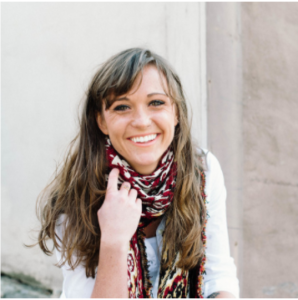 Jessica Fittro
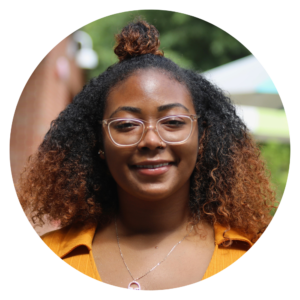 Yvonnia Bryant
 Ayannah Bowman-Williams
 Alexa Augone
 Stephanie Hunter
 Allyson Roberts
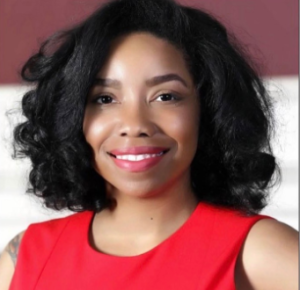 Bianca Myrick
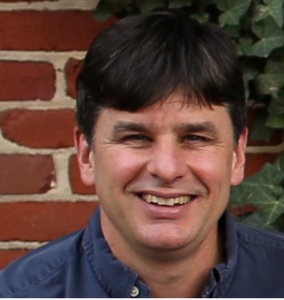 John Harris
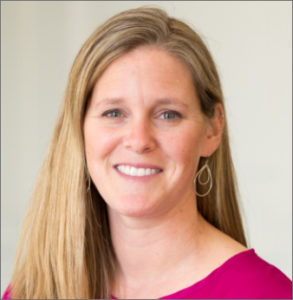 Laura Leporati
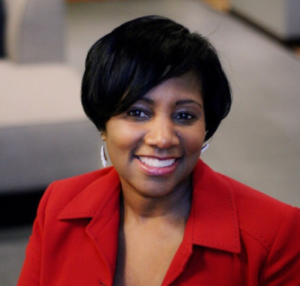 Tammie Mobley
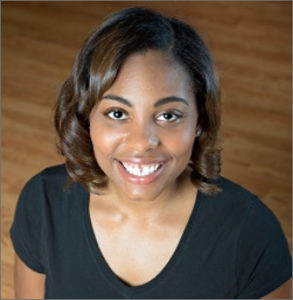 Ashley Williams
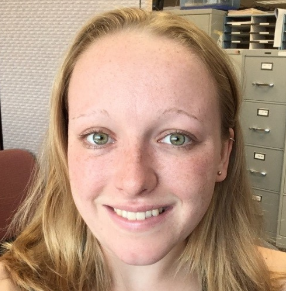 Abbie Wolf
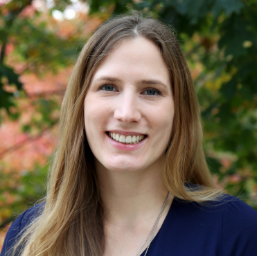 Melody Lutz
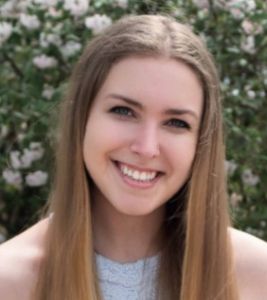 Emily Bolinger
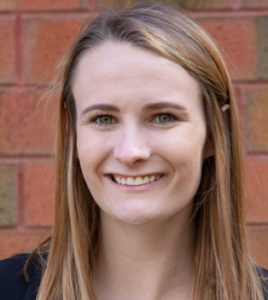 Jessica Hand
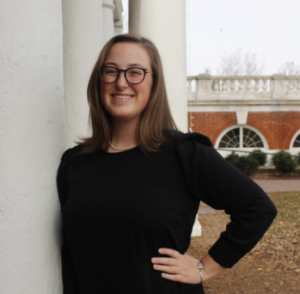 Blake Mogel
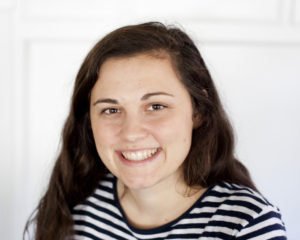 Lynsey Meissner
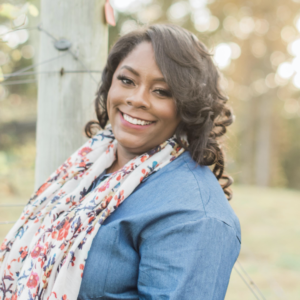 Tiffany Patton
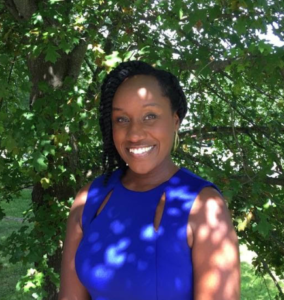 Rameka Blakey
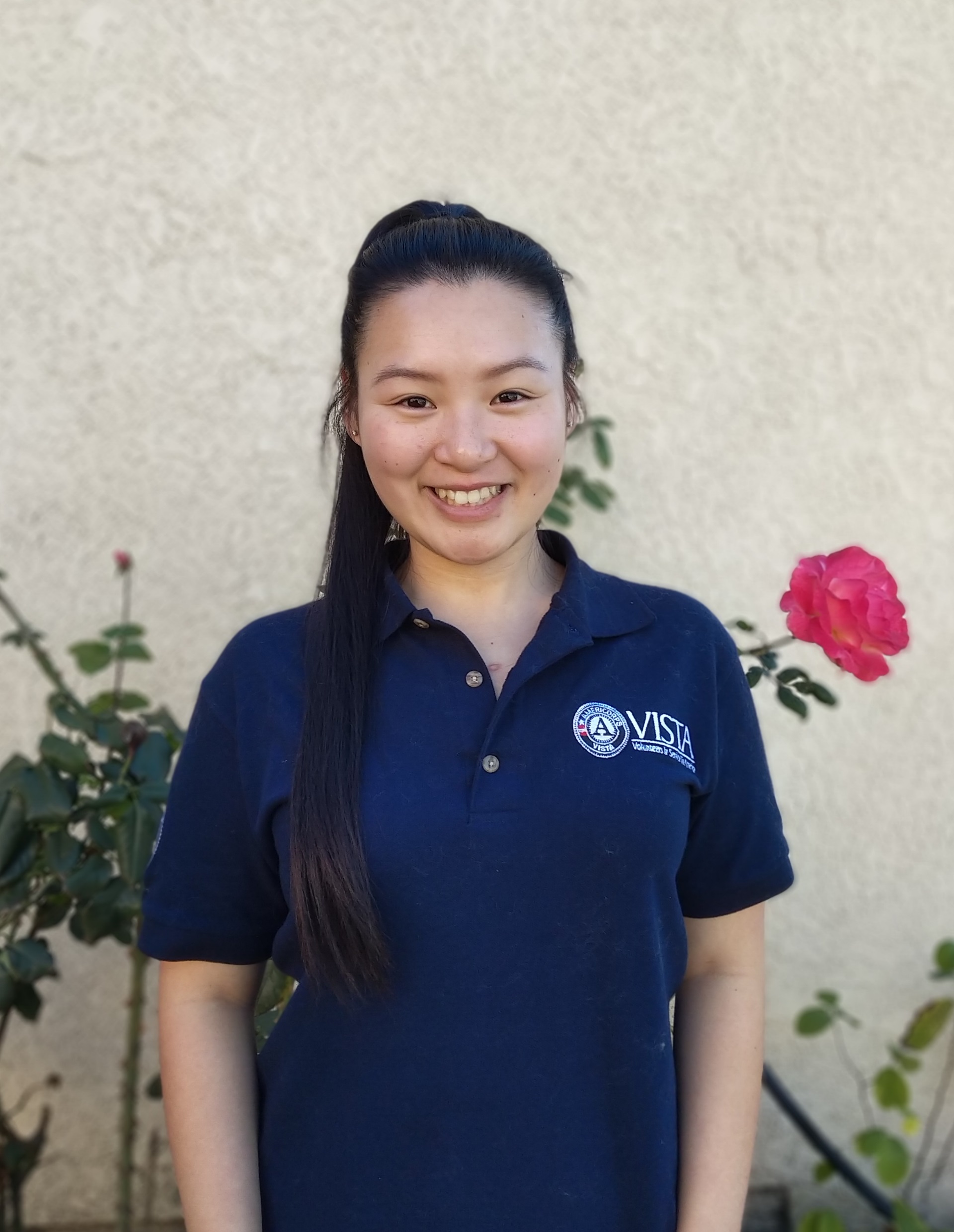 Katelyn Chau
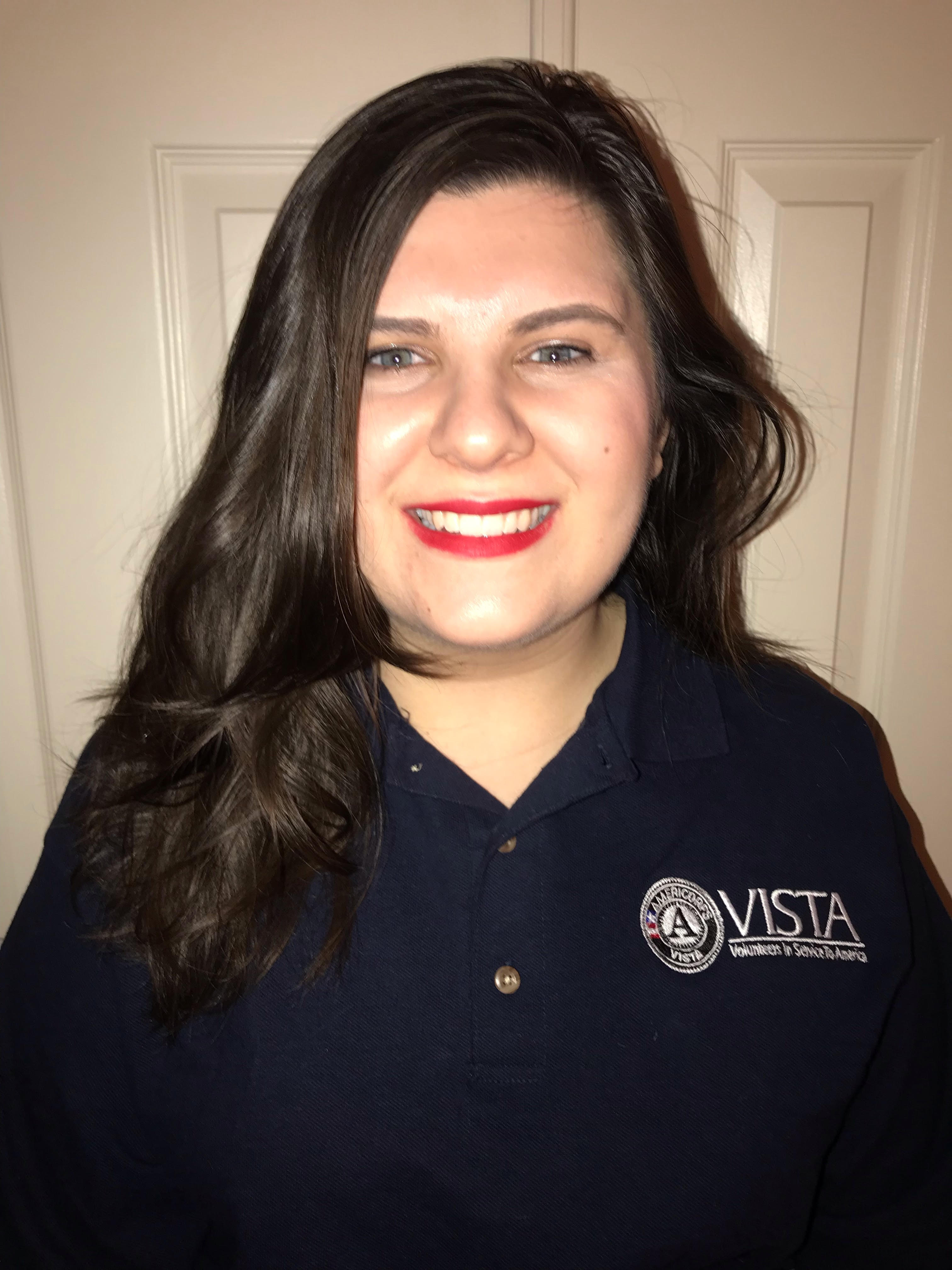 Hope Davis