
by Sean Scott
You can feel the weight of the liquid metal in your hand. You know it’s there and it exists even as it lightens its own load bit by bit, slipping between your fingers and off the edge of your palm. In a futile attempt to maintain control you manage to isolate a small but significant portion while the rest rolls away. The only substance more mercurial than mercury itself is the whims of college-age former and current foster care students. Maddening can be your repeated attempts to keep them on track and then you realize you’re still holding the mercury.
It’s nearly impossible to illustrate the numerous challenges to mentoring foster youth in the community college system, as it also is to understand the challenges they face to succeed. Our students regularly face homelessness, immediacy of losing social services, incarceration, violence where they live, falling short on rent; and these threats are multiplied by lacking the support system of a family. Can you imagine renting an apartment on the wages of two part-time jobs, a meager stipend from the State, with a young child, no second parent, and going to school part-time? Where are the savings for the security deposit? Can you afford to rent in a neighborhood in which your 2-year-old won’t be struck by a stray bullet? Can you afford rent in a neighborhood near the community college because you can’t sustain the cost of having a car? Add together all those challenges and then imagine not having a mother to call for advice.
How can we convince our students having a mentor can change their lives? By having hope and setting the example. We must have hope that they take interest in this service we provide and make the effort to respond. As easy as it would be to require them to have a mentor, we cannot. Those that do see the value get a mentor, and in that mentor have someone who can be that foundation for them. They find someone who can give them advice when looking for an apartment. They find someone who shows them how to save their money and find childcare services for them while they work or go to class. In a mentor they find a compassionate, experienced adult who provides that basis of support and stability so needed by human beings. Until basic necessities such as food, shelter, and clothing are met people cannot be productive.
We can only hope that the example our mentors set will create the magnetism needed to bring those little drops of mercury rolling back. It takes more than a village. It takes a community, a state, and a nation. Only together can we pull each other from the throes of poverty and into a cycle that promotes healthy living. Those who had mentors go on to be mentors to others. Let’s destroy the vicious cycle and create an ambitious cycle: mentor our youth, foster our future.
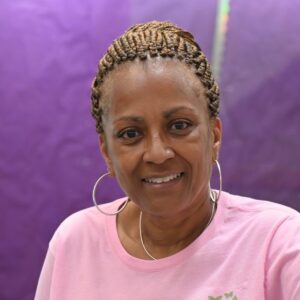 Pamela Johnson
 Emma Rush
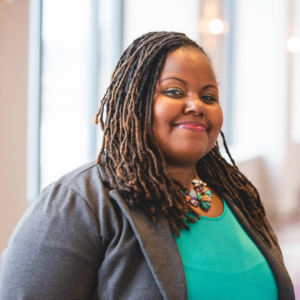 Tamice Spencer-Helms
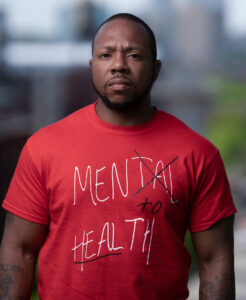 James Harris
 Patryk Czescik
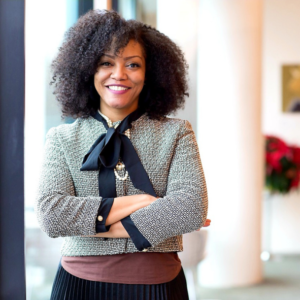 Nishaun Battle
 Sindy Montalvo
 Kinshasa Samuel
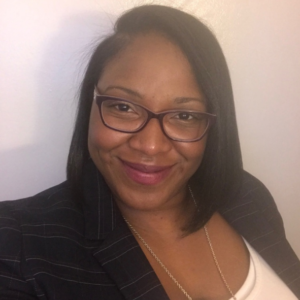 Tashara S. Void
 Virginia Patterson
 Tiara Whitfield
 Alexandra Clayton
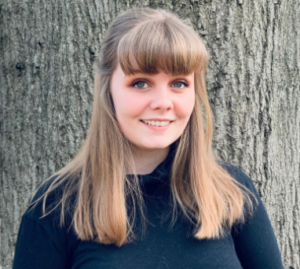 Cailey Cummins
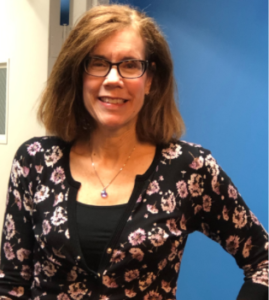 Andrea Wiegard
 Arya Pazhwak
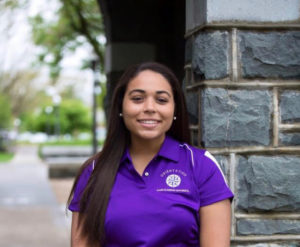 Briana Oyler
 Antonio Mielak
 Jessica Fittro
 Yvonnia Bryant
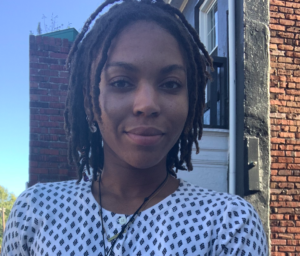 Ayannah Bowman-Williams
 Alexa Augone
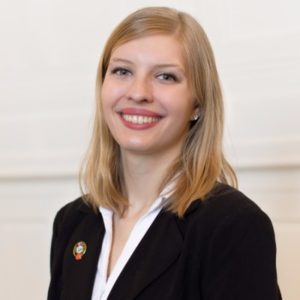 Stephanie Hunter
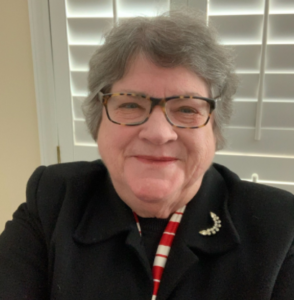 Allyson Roberts
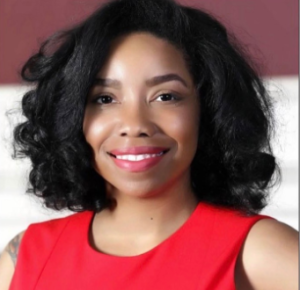 Bianca Myrick
 John Harris
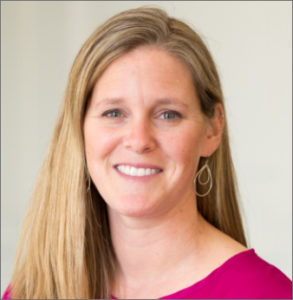 Laura Leporati
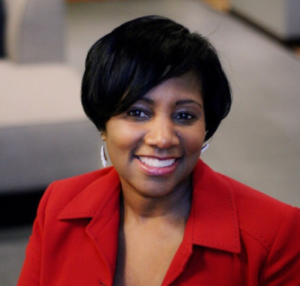 Tammie Mobley
 Ashley Williams
 Abbie Wolf
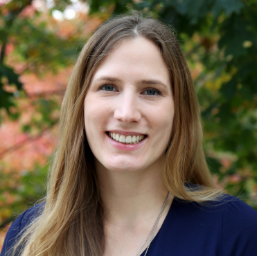 Melody Lutz
 Emily Bolinger
 Jessica Hand
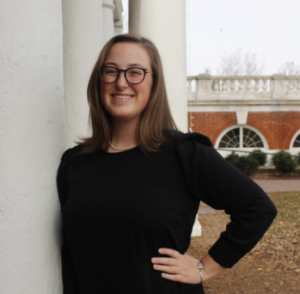 Blake Mogel
 Lynsey Meissner
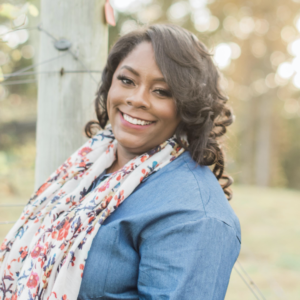 Tiffany Patton
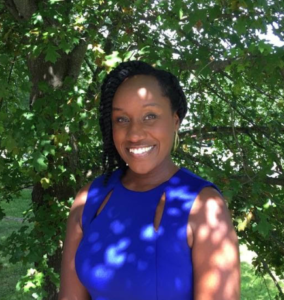 Rameka Blakey
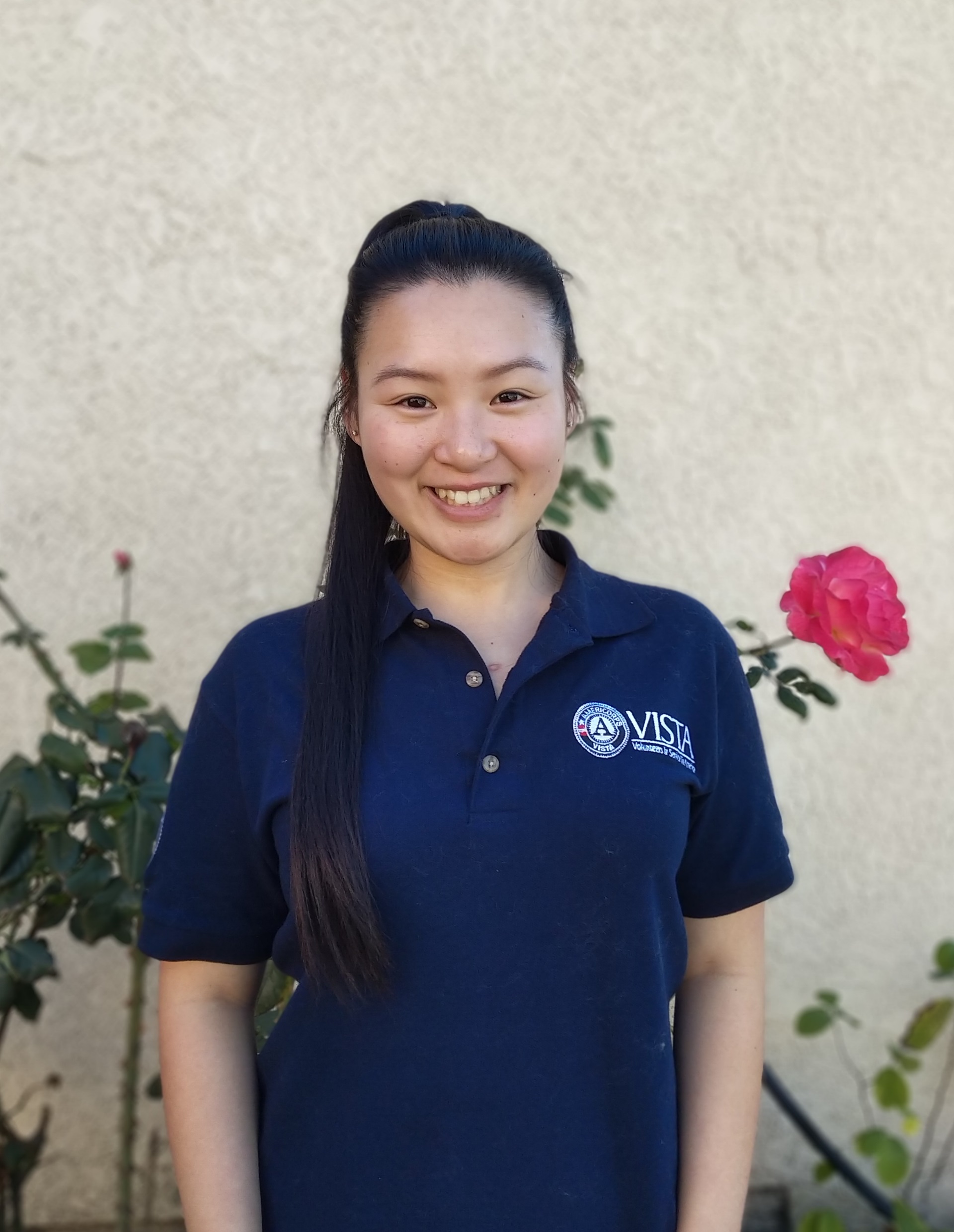 Katelyn Chau
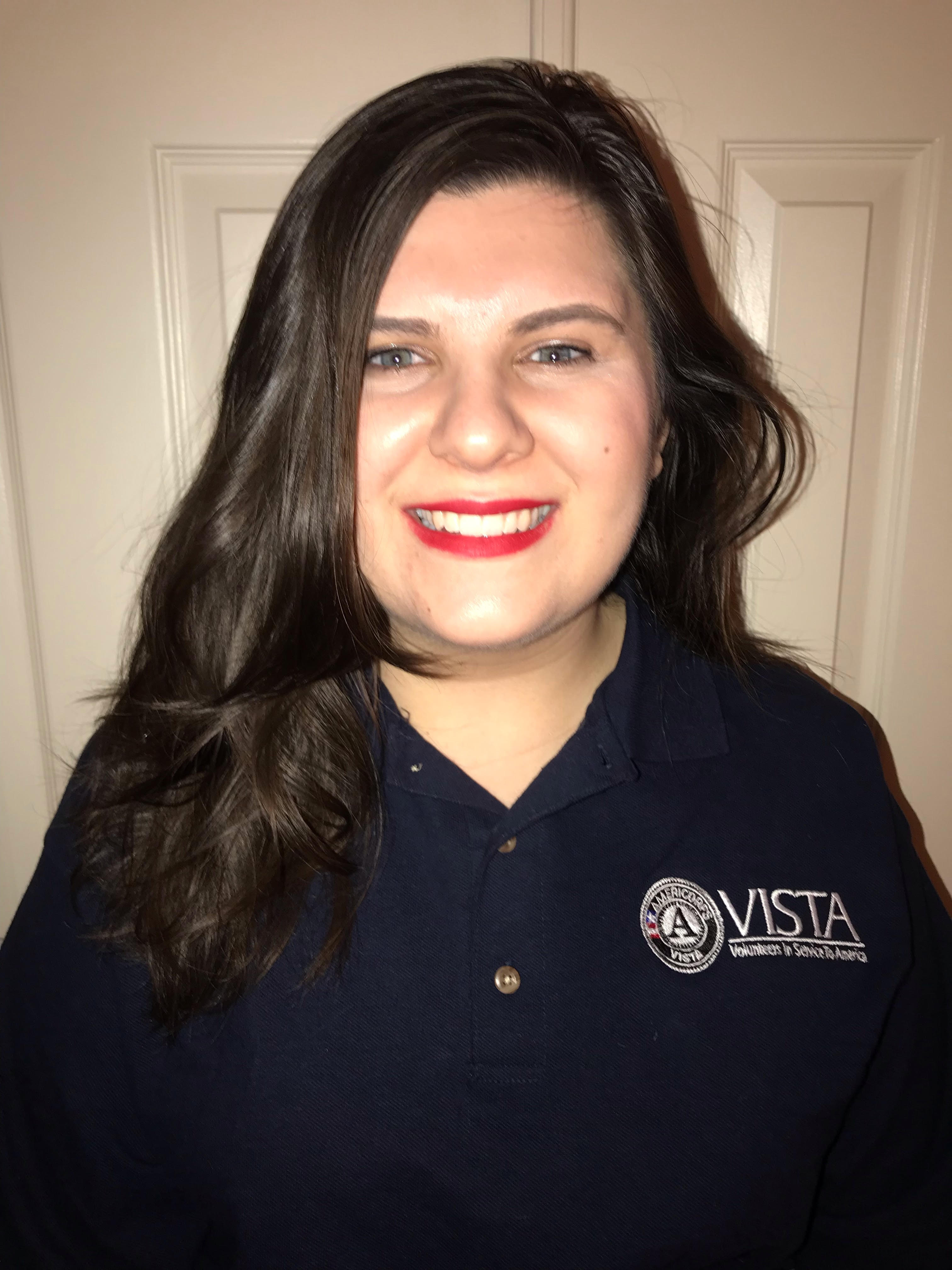 Hope Davis